


Choosing candle size is the process of matching candle diameter, height, and format to your room size, burn window, and ambiance goals. From our Irving studio at 4943 Dominion Blvd, we help you learn how to choose candle size that burns evenly, avoids tunneling, and fits the moment—at home or for gifting.
By The Artisan Nook • Last updated: May 26, 2026
Quick Summary: Candle Sizing Essentials
Pick candle size by matching diameter to burn time and room size. Small spaces and short burns favor 6–8 oz jars or votives; open rooms and long evenings need 12–16 oz jars, pillars, or tapers. Use the 1-hour-per-inch rule for full melt pools, and trim wicks to 1/4 inch for clean burning.
Here’s the quick hit list before we dive deep.
- Match diameter to time: Plan roughly one hour of burn per inch of jar diameter to reach a full melt pool.
- Think in formats: Votives/tealights for accents, 8–10 oz jars for everyday, 12–16 oz jars or pillars for open rooms, tapers for tables.
- Mind the room: Larger, open-concept rooms disperse fragrance faster; size up the candle or use multiples.
- Control the flame: Keep wicks at ~1/4 inch to reduce soot and prolong burn time.
- Leverage accessories: A snuffer, wick trimmer, and our Custom Ceramic Matchbox make burns safer and neater.
Want scent fit advice next? Our guide to picking a candle fragrance pairs perfectly with sizing.
Before You Start: Prerequisites for Better Sizing
Define your space, time, and purpose before choosing a candle size. Measure room dimensions, decide your typical burn window, and set an ambiance goal (accent, focal glow, or centerpiece). With these three inputs, you can select diameter, height, and format confidently.
Clarity up front prevents most sizing mistakes we see in consultations.
Measure the scene
- Room volume: Note square footage and ceiling height. A 200–300 sq ft room with 8–9 ft ceilings behaves differently than a vaulted great room.
- Surface size: Record console, nightstand, coffee table, or mantel width and depth (in inches).
- Airflow hotspots: Identify HVAC vents, fans, and doors. Strong drafts cool flames and can mute scent.
Decide burn windows
- Short sessions (30–60 minutes): Favor smaller diameters so wax reaches the edge.
- Long evenings (2–4 hours): Mid-to-large jars, pillars, or grouped votives/tapers maintain ambiance without relighting.
- All-day rituals (4+ hours): Size up or rotate multiple candles to avoid overheating containers.
Set an ambiance goal
- Accent glow: Tealights, votives, or an 8 oz jar near mirrors or metallic trays amplify light.
- Focal piece: A 14 oz jar, a chunky pillar, or two tall tapers flank centerpieces for drama.
- Functional lighting: Tapers spaced 18–24 inches apart brighten dinner tables without overpowering plates.
In our experience, these inputs guide 90% of right-size choices—especially when paired with a clean-burning wax blend like our soy, coconut, and apricot formula.
How to Choose Candle Size (Step-by-Step)
Select candle size by following six steps: measure the space, choose the format, match diameter to burn time, align height to sightlines, plan quantity/placement, and verify with a test burn. This approach ensures even melts, balanced light, and reliable scent throw.
Step 1: Measure your space
- Room guide: Under 150 sq ft (small), 150–300 sq ft (medium), 300+ sq ft (large). These buckets help translate to format choices.
- Table guide: A 36–48 inch round table is typically best with a single focal jar; longer rectangles benefit from two or three points of light.
- Safety margins: Maintain 12 inches of clearance above flames and 4 inches on all sides.
Step 2: Choose the right format
- Jars: Everyday versatility; lids preserve scent between burns.
- Pillars: Strong visual presence; work well on plates or hurricanes.
- Tapers: Linear, elegant light for dining and mantels.
- Votives/tealights: Scalable accents for shelves and powder rooms.
- Wax melts: Flame-free option; pair with an electric warmer when open flames aren’t ideal.
Step 3: Match diameter to burn window
- Rule of thumb: Budget about 1 hour per inch of diameter to reach a full melt pool.
- Examples: A ~3 inch 8 oz jar needs roughly 3 hours; a ~3.5–3.75 inch 14 oz jar needs about 3.5–4 hours.
- Short burns: If you rarely burn past an hour, pick smaller diameters or votives to avoid tunneling.
Step 4: Align height to sightlines
- Dining: Keep flames below eye level when seated (about 12–14 inches overall height with holder) to maintain conversation visibility.
- Mantels: Vary heights by 2–4 inches for dimension; avoid blocking TV sightlines.
- Entry consoles: Taller pillars or 14 oz jars create a welcome focal point in open foyers.
Step 5: Plan quantity and placement
- Small rooms: One 8 oz jar or 2–3 votives spaced 8–12 inches apart creates soft, even glow.
- Large rooms: Two 14 oz jars diagonally positioned, or one jar plus a pillar, improve scent distribution.
- Tables: Two tapers per 6–8 ft run keeps light balanced; add a low votive cluster for texture.
Step 6: Verify with a test burn
- Trim the wick to ~1/4 inch before lighting.
- Time the first session to build a full melt pool edge-to-edge.
- Assess flame height, draft influence, and scent throw; adjust quantity or size as needed.
Want to skip straight to fragrances that work in daily life? Explore our candle scent guide and match a size from this section.
Room-by-Room Sizing for Broadmoor Hills (Dallas County)
In Broadmoor Hills across Dallas County, pick candle sizes that suit Texas-sized floor plans: 8 oz jars for bedrooms and studies, 14 oz jars or pillars for open living rooms, and tapers for dining. Draft-aware placement near vents prevents uneven flames and preserves clean-burning performance.
Local layouts and climate matter. Homes around Broadmoor Hills often combine open kitchens with great rooms, so fragrance disperses quickly.
Bedrooms and small studies
- Recommended: One 8 oz jar on a nightstand or shelf; or two votives for symmetry.
- Why: Short evening burns (30–60 minutes) pair well with smaller diameters.
- Tip: Place away from AC vents to protect the melt pool.
Living rooms and open concepts
- Recommended: One 14 oz jar centered on a coffee table plus a secondary light on a console for depth.
- Add-ons: A pillar on a mantel or clustered votives on shelves widen the light field.
- Why: Larger volumes need either larger diameters or multiple flames for balanced presence.
Local considerations for Broadmoor Hills
- Shade-facing rooms near W.O. Harrington Park can feel cooler; size up to a 14 oz jar to maintain scent projection.
- Dallas County summers mean longer AC cycles; shield flames from drafts to reduce flicker and soot.
- Evening porch rituals by Dorris Park benefit from pillars in hurricanes for wind protection.
Prefer flame-free on breezy evenings? Keep the mood with our wax melts and an electric warmer, then reintroduce jars for weekend gatherings.
Event Tables, Centerpieces, and Head Tables
For dining and events, scale candle size to table length and sightlines. Use two tapers per 6–8 feet, cluster votives at 6–8 inch spacing, and anchor long tables with a 12–16 oz jar or a pillar in a hurricane. Keep flames below eye level for conversation.
Tablescapes succeed when light is rhythmic and sightlines stay open.
| Candle type | Typical diameter | Best for | Pros | Watch-outs |
|---|---|---|---|---|
| Votive/Tealight | 1–1.5 in | Short dinners, accent clusters | Low profile, flexible spacing | Short burn window; needs holders |
| 8 oz Jar | ~2.75–3.25 in | Everyday dining, small rounds | Steady melt pool; lid storage | May underwhelm long banquet runs |
| 14 oz Jar | ~3.5–3.75 in | Long rectangles, open rooms | Bold presence; longer sessions | Requires longer first burn |
| Pillar | 2–4 in | Head tables, mantels, porches | Strong vertical silhouette | Needs plate/hurricane for stability |
| Taper | ~0.75–1 in | Formal dining lines | Elegant, eye-level friendly | Use dripless holders; space 18–24 in |
Planning guest counts? A capacity guide helps right-size tables and centerpieces; see this practical venue capacity reference when mapping candles to seating layouts.
Troubleshooting: Tunneling, Soot, and Weak Scent
Fix sizing-related burn issues by matching burn time to diameter, trimming wicks to 1/4 inch, and shielding from drafts. Tunneling signals too-short sessions; soot indicates an overlong wick; weak scent suggests upsizing diameter or adding a second flame.
Common problems and fast fixes
- Tunneling: First session ended early. Re-level with a long burn (1 hour per inch) and steady conditions.
- Mushrooming wick: Flame too large. Trim to ~1/4 inch before each light.
- Soot on glass: Caused by drafts or over-trimmed wick length. Reduce air movement and keep wicks even.
- Weak scent throw: For rooms over 300 sq ft, size up to a 14 oz jar or pair two 8 oz jars.
Placement tips that matter
- Distance from walls: 3–6 inches prevents heat bounce that can create uneven melts.
- Height matters: Raise a single 8 oz on a riser to widen light spread on deep tables.
- Group dynamics: Three points of light (triangle) look full, even with smaller sizes.
For a deeper dive on clean-burning fundamentals, our piece on the best candle wax blend explains why wax and wick synergy matter as much as size.
Advanced Tips for Clean, Even Burns
To maximize performance, pair size with wax chemistry and wick care. Choose clean-burning blends, trim wicks consistently, rotate jars 90° between sessions, and log first-burn times by diameter. These habits extend candle life and preserve smooth tops between burns.
Optimize wax and wick synergy
- Clean-burning matters: Blends like soy-coconut-apricot typically produce cooler, steadier flames.
- Diameter informs wick: Larger diameters require wick systems tuned for melt pool reach.
- Consistency wins: The same trimming routine can reduce soot streaks measurably over weeks of use.
Build a quick burn log
- Record the first burn duration required to reach full melt for each size you own.
- Note room and season; AC cycles in Texas summers can lengthen times by 15–20 minutes.
- Repeat once per season; burn behavior shifts with humidity and airflow.
Curious how size interacts with fragrance choice? Our fragrance selection guide breaks down strength and mood by scent family.
Wax Melts vs Candles: When Each Size Wins
Use wax melts for short, flame-free sessions and localized scent; use candles when you want glow plus fragrance for 2–4 hours. For large rooms, pair a 14 oz jar with complementary wax melts to strengthen projection without adding open flames.
Sometimes the right “size” is a format shift. Flame-free options deliver targeted scent where candles might be impractical.
- Wax melts: Quick, controllable fragrance for entryways or powder rooms; turn off any time.
- Jars: Combine glow with scent; choose 8 oz for everyday and 14 oz for open living.
- Tapers: Create vertical rhythm at the table; pair with low votives for depth.
We unpack the tradeoffs in our cluster article on wax melts vs candles—a useful read if you’re building a year-round fragrance wardrobe.
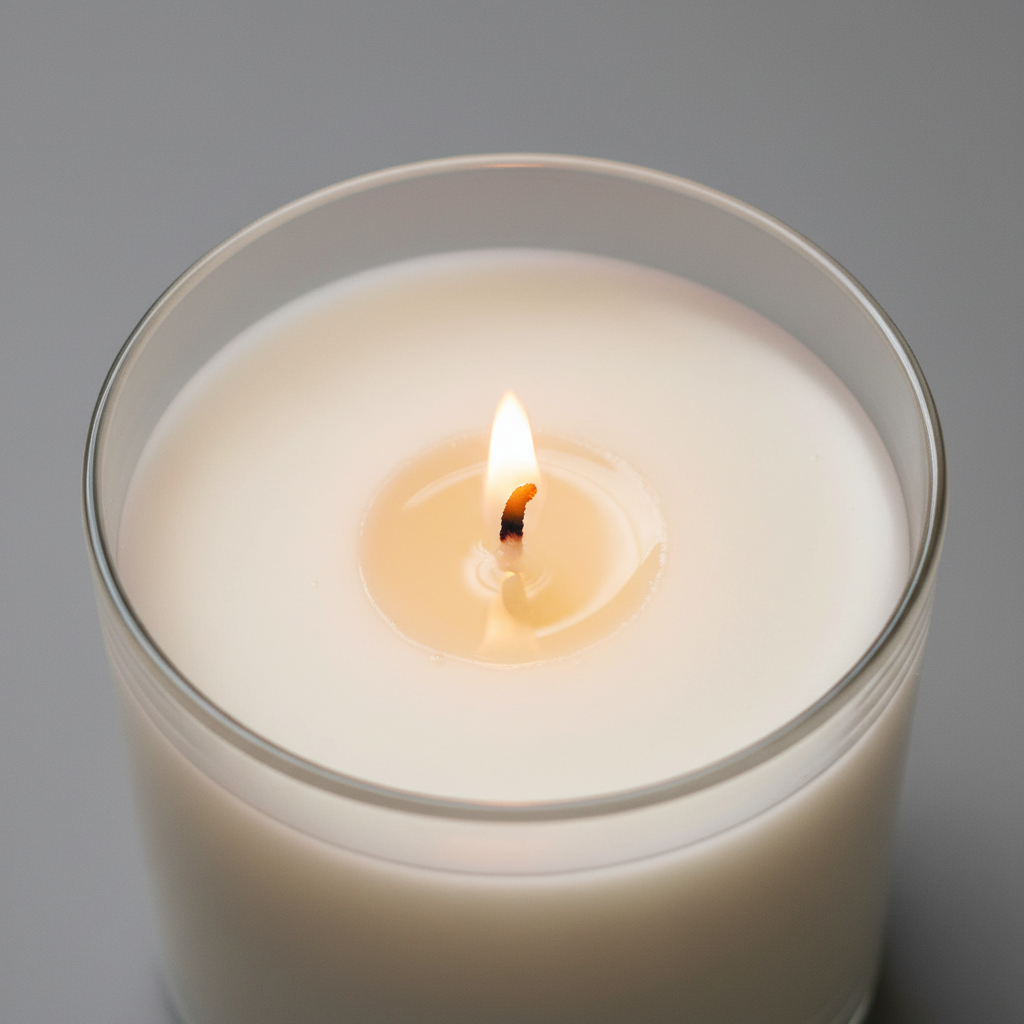
Real Examples with The Artisan Nook Sizes
For small rooms, one 8 oz jar adds calm in 60–90 minutes; for open living rooms, a 14 oz jar anchors 2–4 hour evenings. Pair tapers for dining and add wax melts for quick boosts. These combos reflect how our customers style spaces daily.
- Bedroom wind-down: One 8 oz in First Rain on a tray with a trimmer and snuffer keeps things tidy.
- Game night living room: One 14 oz Summer Breeze centered, plus two votives on the media console for depth.
- Porch gathering: A pillar in a hurricane and a wax melt warmer near the door manage wind and traffic.
For curated gifting, our candle gifting guide helps you match size and scent to the moment—from housewarmings to anniversaries.

Need a second opinion on sizing?
Share your room measurements and how long you typically burn. We’ll recommend sizes and pairings that fit your space and routines, grounded in clean-burning practice and real-world testing.
Send us your room size and a quick photo, and we’ll suggest a mix—8 oz or 14 oz jars, pillars, tapers, or wax melts—that hits your goals and schedule. Pair it with our Custom Ceramic Matchbox for a polished finishing touch.
FAQ: Candle Sizes and Burn Behavior
These quick answers solve the most common candle sizing questions: first-burn timing, jar vs taper choices, using multiple small candles, and when to reach for wax melts instead of open flame.
How long should my first burn be?
Aim for about one hour per inch of jar diameter. A typical 8 oz (~3 inch) jar needs roughly 3 hours to reach a full melt pool. This helps prevent tunneling and sets the candle up for even, clean burns going forward.
Is one large candle better than several small ones?
For open rooms, pairing two medium candles often outperforms a single large one for scent distribution. In small rooms, a single 8 oz works well. On dining tables, multiple small flames create rhythm without blocking sightlines.
When should I choose tapers instead of jars?
Pick tapers when you want linear light and clear sightlines—especially for dining. Keep flames below eye level and space holders 18–24 inches. Use low votives to add texture without raising the visual line of sight.
Do wax melts replace big candles in large rooms?
Wax melts are perfect for quick, targeted scent or where flames aren’t ideal. In large rooms, pair melts with a 14 oz jar or pillar to blend glow with consistent fragrance. It’s a flexible, low-maintenance combo.
Conclusion and Next Steps
Choose candle size by aligning format, diameter, and height with room size and burn windows. Use the 1-hour-per-inch rule, trim to 1/4 inch, and test-burn in your actual space. These habits deliver cleaner burns, fuller fragrance, and better ambiance—every time.
- Start small, test smart: Try an 8 oz in a bedroom; log first-burn time.
- Scale up in living rooms: Evaluate a 14 oz or add a pillar for depth.
- Style the table: Two tapers per 6–8 ft, plus low votives for sparkle.
- Go flame-free when needed: Wax melts add flexibility to tight schedules.
For deeper education, explore how wax chemistry supports size choices in our piece on the best clean-burning wax blends. Then compare formats in wax melts vs candles to complete your toolkit.
Additional Resources
Build your candle confidence with quick reads on scent selection, gifting, and clean-burning best practices. Each guide pairs naturally with the sizing steps you learned here.
Round out your knowledge with our fragrance picking guide, a detailed look at the best wax blends for clean burning, and our candle gifting tips. If you’re deciding between formats, see wax melts vs candles and our local Irving candle guide.