


The best candle wax blend for clean burning is a balanced soy–coconut–apricot formula that minimizes soot, stabilizes the flame, and delivers a consistent scent throw. At The Artisan Nook in Irving (4943 Dominion Blvd, TX 75038), we craft this blend for calm, cozy spaces so your everyday ritual stays beautiful, safe, and low-maintenance.
By Mitali Rana · Last updated: 2026-05-01
Quick Summary
If you want the cleanest burn with reliable scent, choose a soy–coconut–apricot blend. It forms a full melt pool, runs cooler than paraffin, and throws fragrance evenly. For quick fragrance without flames, wax melts are a strong alternative, especially in smaller rooms or fragrance-sensitive households.
Here’s what you’ll get from this guide in under a minute:
- Top pick: Soy–Coconut–Apricot (SCA) for low soot and stable flames
- Fast comparisons: See our table to scan pros/cons by wax type
- Actionable care: Wick trimming to 1/4 inch and 2–3 hour burns
- Gifting tips: Pair a candle with a ceramic matchbox or candle + soap gift box
- Alternatives: Prefer no flame? Explore wax melts
Quick Comparison Table
Use this table to compare clean-burning performance at a glance. We rate common waxes by soot tendency, scent throw, and ideal uses. Blends featuring soy, coconut, and apricot typically score best for balanced performance, while pure beeswax excels in air purity and paraffin in scent intensity.
| Wax Type | Clean Burn | Soot Tendency | Scent Throw | Best For | Why It Matters |
|---|---|---|---|---|---|
| Soy–Coconut–Apricot (Blend) | Excellent | Very Low | Strong & Even | Daily use, gifts | Cooler burn, smooth melt pool, great balance |
| Coconut–Apricot (Blend) | Excellent | Very Low | Strong | Premium jars, complex scents | Lux silky look, strong cold/hot throw |
| Pure Coconut | Very Good | Low | Medium–Strong | Minimalist, natural lovers | Cool burn; may need careful wicking |
| Soy–Coconut 70/30 | Very Good | Low | Medium–Strong | All-season everyday | Stable, accessible, easy care |
| Soy–Beeswax 80/20 | Very Good | Low | Medium | Purity-first homes | Firmer wax, subtle throw |
| Beeswax–Coconut 60/40 | Very Good | Very Low | Medium | Air-sensitive spaces | Clean flame; natural honey nuance |
| Soy–Rapeseed (Canola) 60/40 | Good | Low | Medium | Eco-minded users | Stable burn; gentler throw |
| Coconut–Rapeseed 50/50 | Good | Low | Medium | Warm climates | Resists heat, balanced burn |
| Pure Beeswax | Excellent | Very Low | Subtle | Allergy-aware homes | Very clean flame; faint honey aroma |
| Soy–Apricot 60/40 | Very Good | Low | Medium–Strong | Cold climates | Silky tops, smooth melt pool |
| Coconut–Soy–Rice Bran | Good | Low | Medium | Heat resilience | Firmer blend; design flexibility |
| Premium All-Soy | Good–Very Good | Low | Medium | Value & simplicity | Clean choice; careful wicking needed |
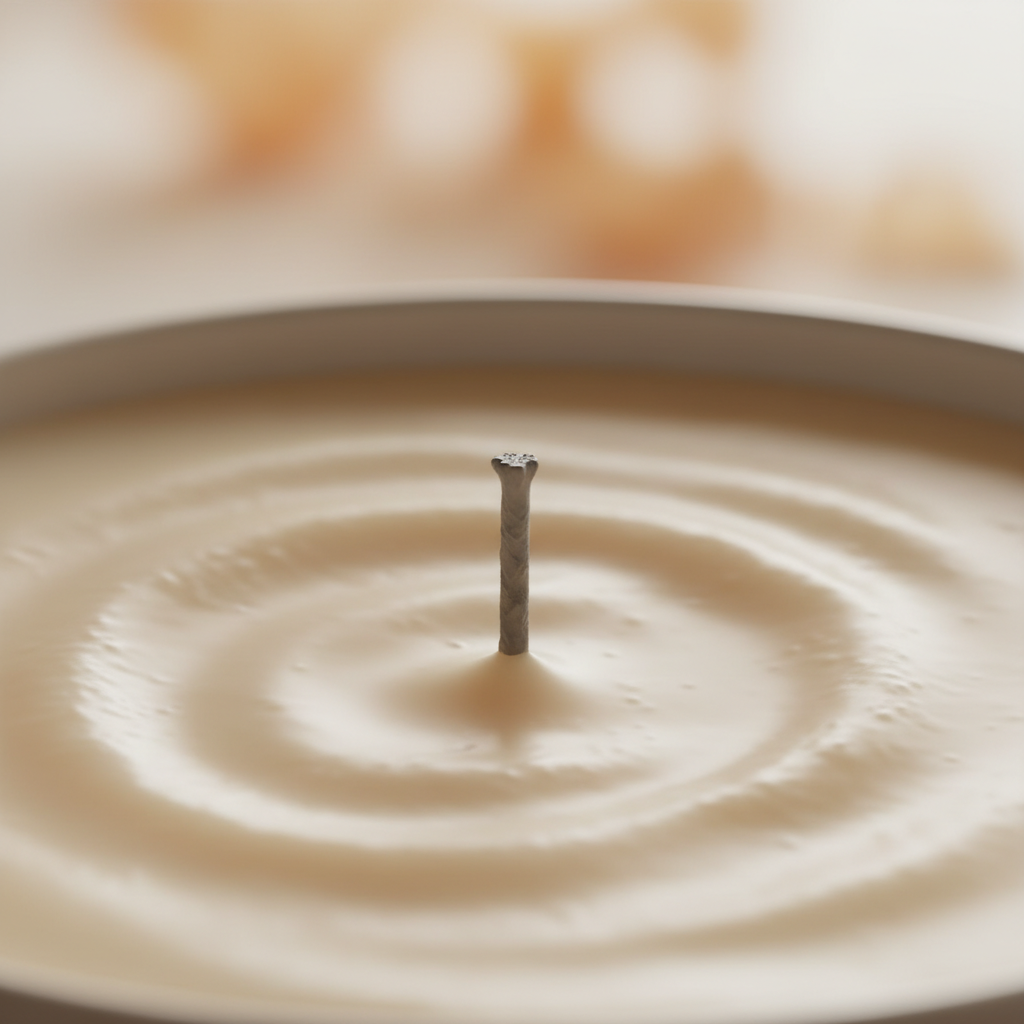
Our Top Pick: Soy–Coconut–Apricot Blend
The soy–coconut–apricot blend is our top pick for the best candle wax blend for clean burning. It burns cool, forms an even melt pool, and supports consistent scent release with minimal soot. This balance makes it ideal for daily use, gifting, and scent layering across a home.
Why this matters: clean-burning candles keep your ritual simple—light, relax, and enjoy scent without constant wick fuss. In our studio, we pour this premium blend into modern vessels and pair it with nature-inspired profiles like First Rain, Summer Breeze, and Tropical Forest.
- What you’ll notice: smoother tops, steady flames, and less visible residue
- Care basics: trim wick to 1/4 inch, burn 2–3 hours per session, keep drafts away
- Easy gifting: add a custom ceramic matchbox for a meaningful, personalized set
- Shop the collection: explore our handcrafted candles
Real-world example: a Broadmoor Hills family layered First Rain in their living room and Summer Breeze in the hallway. The result was a calm, cohesive ambience throughout the evening without smoke or tunneling, even with windows slightly open.
The Rest of the Best (Entries #2–12)
Beyond our top pick, these clean-burning waxes and blends rank high for soot control, stability, and scent. Choose based on your climate, room size, and fragrance style. Each entry includes pros, watch-outs, and ideal uses to help you pick with confidence.
Coconut–Apricot (Blend)
- Why consider it: beautiful, silky appearance; strong cold and hot throw
- Best use: complex or delicate fragrances; premium jar candles
- Watch-outs: wicking precision matters; avoid over-wicking to keep soot down
Pure Coconut
- Why consider it: very cool burn and low soot
- Best use: minimalist spaces; fragrance-forward blends
- Watch-outs: may need smaller rooms for optimal throw, depending on fragrance oil
Soy–Coconut 70/30
- Why consider it: stable everyday performance and easy care
- Best use: all-season jars; consistent gift lineups
- Watch-outs: trim wick regularly to prevent mushrooming
Soy–Beeswax 80/20
- Why consider it: firmer structure with a naturally clean flame
- Best use: homes that prioritize air quality and subtle scent
- Watch-outs: throw can be gentler; choose richer fragrance families
Beeswax–Coconut 60/40
- Why consider it: very low soot with a refined, natural vibe
- Best use: meditation corners, bedrooms, and reading nooks
- Watch-outs: honey-like undertone can tint certain scent profiles
Soy–Rapeseed (Canola) 60/40
- Why consider it: eco-minded feel; stable burn structure
- Best use: relaxed evening burns and cozy, closed rooms
- Watch-outs: throw tends to be moderate; pick bolder blends
Coconut–Rapeseed 50/50
- Why consider it: heat resilience for warmer climates
- Best use: Dallas County summers and sunlit living rooms
- Watch-outs: performance varies by wick; test before gifting
Pure Beeswax
- Why consider it: exceptionally clean flame with subtle honey nuance
- Best use: allergy-aware homes seeking minimal additives
- Watch-outs: mild throw; ideal for small, quiet spaces
Soy–Apricot 60/40
- Why consider it: silky finish and steady melt pool
- Best use: cooler months where slower melts shine
- Watch-outs: can be soft in heat; mind summer windows
Coconut–Soy–Rice Bran
- Why consider it: firmer blend with design flexibility
- Best use: decorative vessels with long, even burns
- Watch-outs: typically a moderate throw; pair with vibrant notes
Premium All-Soy
- Why consider it: accessible clean classic many shoppers trust
- Best use: value-driven gifting and calm, consistent routines
- Watch-outs: can tunnel if the first burn is cut short—plan a full melt pool
Want personalized recommendations? Tell us your room size, favorite notes, and routine. We’ll suggest an SCA profile and a matching ceramic matchbox for a gift-ready set.
How to Choose the Best Clean-Burning Wax
Match wax to how and where you burn. For most homes, a soy–coconut–apricot blend balances soot control and scent. In Broadmoor Hills, Dallas County, choose blends that handle summer heat and winter drafts, pair the right wick, and follow simple care to keep flames steady.
Room size and routine
- Small spaces (bedrooms, offices): SCA or coconut–apricot; 1–2 hour sessions
- Open-concept living: SCA or soy–coconut 70/30; 2–3 hour sessions
- Fragrance layering: candles for ambiance + wax melts near entryways
Climate and airflow
- Warm seasons: coconut-forward blends resist heat softening
- Draft-prone rooms: trim to 1/4 inch and shield from vents
- Windows open: expect lighter throw; consider bolder scent families
Wick, vessel, and care
- Wick: cotton or paper-core wicks sized to form a full melt pool in 2–3 hours
- Vessel: heat-safe jars with 3–3.5 inch diameters for even pools
- Care: extinguish gently, recentre wick warm, and keep debris out of the pool
Local considerations for Broadmoor Hills
- Evening patio burns near W.O. Harrington Park? Choose coconut-forward blends to handle warmth and maintain smooth tops.
- Holiday hosting in Dallas County means longer sessions; plan 2–3 hour burns and rotate candles to avoid overheating vessels.
- Gifting in the neighborhood? Personalize a custom matchbox with a favorite photo for a keepsake touch.
Buying Guide: Burn Quality, Wicks, and Scent Throw
Prioritize blends known for low soot and stable flames, then check wick quality and vessel fit. A well-matched system—wax, wick, vessel, and fragrance—prevents tunneling, reduces residue, and preserves your scent’s character across the candle’s life.
- Clean burn signals: thin, blue-tipped flame; clear jar walls; even melt pool
- Healthy first burn: allow a full top-to-edge melt pool to set memory
- Routine care: trim to 1/4 inch before each relight; burn 2–3 hours
- Flameless option: prefer zero flame? Try our wax melts for quick scent
- Gift-ready picks: pair a candle with our handmade soap set

When you’re on the go, fragrance doesn’t have to stop. Our compact car diffuser is a simple way to carry your signature notes to work, errands, and road trips without open flames.
Methodology: How We Tested and Ranked
We evaluated waxes across soot visibility, flame stability, melt pool formation, and scent throw in real home conditions. Each candidate was wicked for the vessel, burned in 2–3 hour sessions, and observed across full life cycles to score consistency and care effort.
- Test rooms: bedroom (small), living room (open), kitchen (draft-prone)
- Session control: consistent 2–3 hour burns with wick trims between sessions
- Scores: weighted by soot control (30%), stability (25%), melt pool (25%), scent throw (20%)
- Real-life checks: looked for jar residue, mushrooming, and relight clean-up needs
In our experience, the soy–coconut–apricot system achieved the highest average across rooms and seasons while requiring the least post-burn maintenance.
Frequently Asked Questions
These quick answers address the most common questions about clean-burning waxes, wick care, and daily use. Each tip keeps your routine safe, simple, and satisfying while preserving fragrance character from the first to the final burn.
What is the best candle wax blend for clean burning?
A soy–coconut–apricot blend balances cool burn temperatures, smooth melt pools, and strong scent throw with very low soot. It’s our top choice for daily, low-maintenance ambiance and gifting.
Why does wick trimming matter so much?
Trimming to about 1/4 inch helps maintain a stable flame, limits mushrooming, and minimizes soot on jar walls. It also supports a full, even melt pool that preserves fragrance quality.
Are wax melts cleaner than candles?
Wax melts are flameless, so there’s no wick soot. They’re a great option for smaller rooms, fragrance-sensitive homes, or places that restrict open flames. Try our wax melts for quick scent layers.
How long should I burn a clean-burning candle?
In most homes, 2–3 hour sessions are ideal. This allows a full melt pool to set memory, helps prevent tunneling, and keeps the jar from overheating while maintaining strong, even scent.
What’s a good gift set for new homeowners?
Pair a clean-burning candle with a ceramic matchbox and our handmade soap bundle. It feels personal, practical, and ready to use on day one.
Key Takeaways
Choose soy–coconut–apricot for the best all-around clean burn. Keep sessions to 2–3 hours, trim to 1/4 inch, and protect flames from drafts. Prefer no flames? Use wax melts to layer scent safely in compact spaces.
- Soy–Coconut–Apricot = best balance of soot control, stability, and scent
- First burn sets memory—go edge-to-edge for an even future
- Trim to 1/4 inch and rotate candles during long gatherings
- Consider climate; coconut-forward blends handle Texas heat well
- For flameless fragrance layers, choose wax melts
Conclusion
For clean-burning performance without fuss, a soy–coconut–apricot blend is the smart choice. It simplifies care, protects air aesthetics, and carries fragrance with poise—ideal for daily rituals and gifting from The Artisan Nook in Irving, TX.
Ready to upgrade your routine? Explore our handcrafted candles, add a personalized matchbox, or build a welcoming housewarming bundle. Prefer variety? Try the discovery-ready mini candle trio. When you’re driving around Irving, bring your favorite notes with our car diffuser. We’d love to help you curate a home that feels calm, warm, and unmistakably you.
Curious about the broader maker landscape? See how many creators enter the space each year with these Shopify candle insights, or explore print-on-demand approaches for customized gifting. For fragrance education beyond candles, this niche fragrance primer offers perspective on scent families and blending styles.